
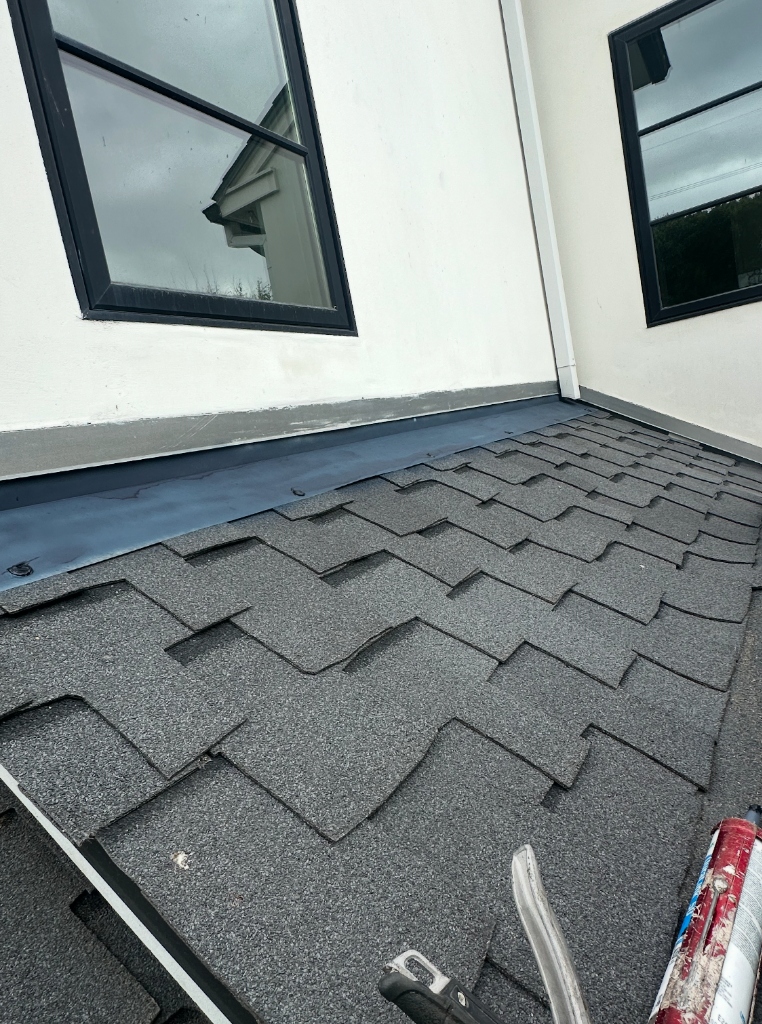
A roof leak during rain occurs when water breaches the primary roof covering (shingles or tiles) and penetrates degraded underlayment or compromised flashing. Water rarely travels straight down; it frequently enters at an uphill roof penetration, flows along rafter slopes or ceiling joists, and drips through sheetrock several feet away from the exterior breach.
Key Technical Takeaways
- Interior water marks are often 5 to 15 feet laterally displaced from the actual roof breach.
- Over 85% of active rain leaks stem from flashing transitions (chimneys, skylights, valleys, plumbing vents) rather than worn shingles.
- Puncturing the center of a sagging ceiling drywall bulge prevents wide catastrophic ceiling collapse.
- Never climb a wet, steep roof during an active rain storm due to extreme fall and slip hazards.
- Document all moisture intrusion with date-stamped photos for insurance coverage before emergency tarping.
How Water Migrates Through Roofing Layers
When rainwater bypasses roofing shingles or concrete tiles, it encounters the secondary waterproofing barrier: roofing underlayment (typically asphalt-saturated felt or synthetic SBS membrane). If this underlayment is dried out, torn, or penetrated by rusted staples, water drops onto the plywood or OSB roof decking. From there, gravity forces water along the slope of the rafters until it hits a joint in the decking, dropping onto ceiling insulation and drywall. By the time water appears as a brown ceiling stain, moisture has often soaked insulation across several square feet.
The Most Common Roof Leak Origins During Heavy Downpours
Roof leaks during torrential Southern California atmospheric river storms or desert squalls almost always concentrate in specific architectural weak points:
1. Plumbing Stacks and Pipe Boots
Neoprene rubber collars around PVC vent pipes degrade from intense desert ultraviolet radiation within 5 to 8 years, cracking and allowing driving rain to run straight down the vent pipe into interior walls.
2. Roof Valleys and Debris Dams
Valleys funnel high volumes of concentrated storm runoff. If leaves, dirt, or pine needles accumulate under valley tiles or open valley metal, water backs up laterally past the 6-inch metal flange and seeps under the underlayment.
3. Chimney and Stucco Wall Step Flashing
Where vertical walls meet pitched roofs, step flashing woven into shingle courses must be sealed with counterflashing embedded into mortar or stucco. Thermal movement cracks old sealant, allowing wind-driven rain behind the flashing.
4. High-Wind Shingle Uplift
Desert wind gusts exceeding 45 MPH break the factory asphalt sealant strip, peeling shingles upward and exposing unsealed nail shanks directly to horizontal rain.
Immediate Interior Mitigation Actions Homeowners Should Take
If water is currently dripping inside your home, take immediate triage measures before structural framing sustains fungal rot or ceiling drywall caves in. Place a heavy-duty plastic container under the drip. If ceiling drywall is visibly swelling with water, gently poke a single small hole in the center with a screwdriver or nail to relieve water weight into your bucket. Move furniture, roll up area rugs, and run dehumidifiers or fans to circulate air.
Why Professional C-39 Diagnosis Is Essential
Applying hardware-store silicone caulking over wet tiles or surface shingles is a temporary band-aid that traps moisture underneath, accelerating wood rot. A licensed roofing contractor lifts compromised courses, inspects the plywood substrate, replaces dry-rotted decking, installs high-temperature SBS self-adhering underlayment, and flashings custom-bent to sheet metal standards.
- Do not walk on a wet or tile roof during rain. Wet glazed tile and mossy shingles offer near-zero traction.
- Stay away from wet electrical fixtures, ceiling fans, or outlets beneath active roof leaks to avoid electrocution.
- Wear protective eye gear when puncturing water-logged ceiling drywall.
Repair vs. Replace Decision Matrix
- •Leak is localized to a cracked plumbing vent boot or single flashing intersection.
- •Surrounding roof materials and underlayment are under 15 years old and pliable.
- •Roof decking is firm with no structural sag or spongy softness.
- •Multiple active leaks appear across separate rooms or distinct roof slopes.
- •Underlayment throughout the attic is dry-rotted, brittle, and crumbling to dust.
- •Shingles display severe granule loss, curling edges, or widespread wind delamination.
Frequently Asked Questions
Will insurance cover an active roof leak from rain?
Homeowners insurance typically covers interior water damage caused by sudden, accidental peril (such as wind-blown tree branches or high-wind shingle blow-off). It rarely covers gradual wear-and-tear or deferred maintenance.
Can you repair a roof while it is still raining?
Permanent repairs require dry substrates for roofing cements and adhesives to adhere. During active storms, licensed roofers perform emergency tarping and temporary mechanical seals to stop interior water ingress until fair weather permits permanent restoration.
Need Professional Assistance With Your Roof?
Our 100% in-house trained crews provide certified leak diagnostics, storm inspections, and permanent repairs across Lancaster, Palmdale, Santa Clarita, and Gardena.